
The best boutique digital marketing agency for luxury hotels isn’t the one with the longest client list; it’s the one that understands hospitality’s booking cycles, luxury guest psychology, and revenue attribution well enough to move direct bookings, not just impressions. Comparing agencies on those specifics, rather than size or price alone, is what actually predicts results.
Large, generalist agencies often serve hundreds of clients across unrelated industries using standardized playbooks. That model works reasonably well for commodity products. It works poorly for luxury hotels, resorts, and boutique properties, where guest experience, brand perception, and average daily rate are all tightly connected to how the property is marketed.
A boutique agency, by contrast, typically works with a smaller, more focused client roster. That focus allows for deeper specialization: understanding OTA dynamics versus direct booking strategy, knowing how to protect rate integrity across channels, and building creative that actually reflects a five-star guest experience instead of generic hospitality stock photography.
Size alone doesn’t guarantee fit, though. The real differentiator is whether the agency’s structure and specialization line up with what luxury hospitality actually requires.
When evaluating options, look past logos and awards and dig into these specifics.
Direct booking focus. Ask how the agency thinks about the balance between OTA dependency and direct bookings. A strong partner should have a clear point of view on reducing OTA commission reliance through owned channels: paid search, paid social, email, and a conversion-optimized website.
Revenue attribution, not vanity metrics. The agency should be able to connect marketing spend to RevPAR, direct booking revenue, or length-of-stay trends, not just impressions, likes, or website traffic.
Creative built for luxury guests. Photography, video, and copy should be commissioned or directed specifically for the property, capturing the actual guest experience rather than relying on stock imagery that could belong to any hotel.
Channel and seasonality expertise. Luxury hospitality demand is highly seasonal and geography-dependent. An agency should demonstrate real experience adjusting media strategy around shoulder seasons, group business, and leisure demand cycles.
Integrated services. Branding, web design, SEO, paid media, and measurement should work as one coordinated strategy rather than being handled by disconnected vendors or freelancers.
A few warning signs tend to surface quickly during the vetting process:
If an agency can’t speak fluently about occupancy, ADR, or RevPAR in a discovery call, that’s a meaningful gap.
Look for an engagement structured around these phases:
Boutique agency pricing for luxury hospitality varies based on scope: full-service retainers covering branding, web, SEO, and paid media cost more than single-channel engagements, but they also eliminate the coordination gaps that come from managing multiple disconnected vendors. Factor in creative production (photography and video are non-negotiable for luxury properties), media spend across search and social, and the technology needed for proper attribution back to the property management or booking system.
South Florida, and West Palm Beach in particular, sits inside one of the most competitive luxury hospitality markets in the country. Properties here compete not just with each other but with destinations across the Caribbean and Gulf Coast for the same high-net-worth traveler. An agency embedded in this market understands local seasonality, the competitive landscape, and the visual and messaging cues that resonate with the guests these properties are trying to attract.
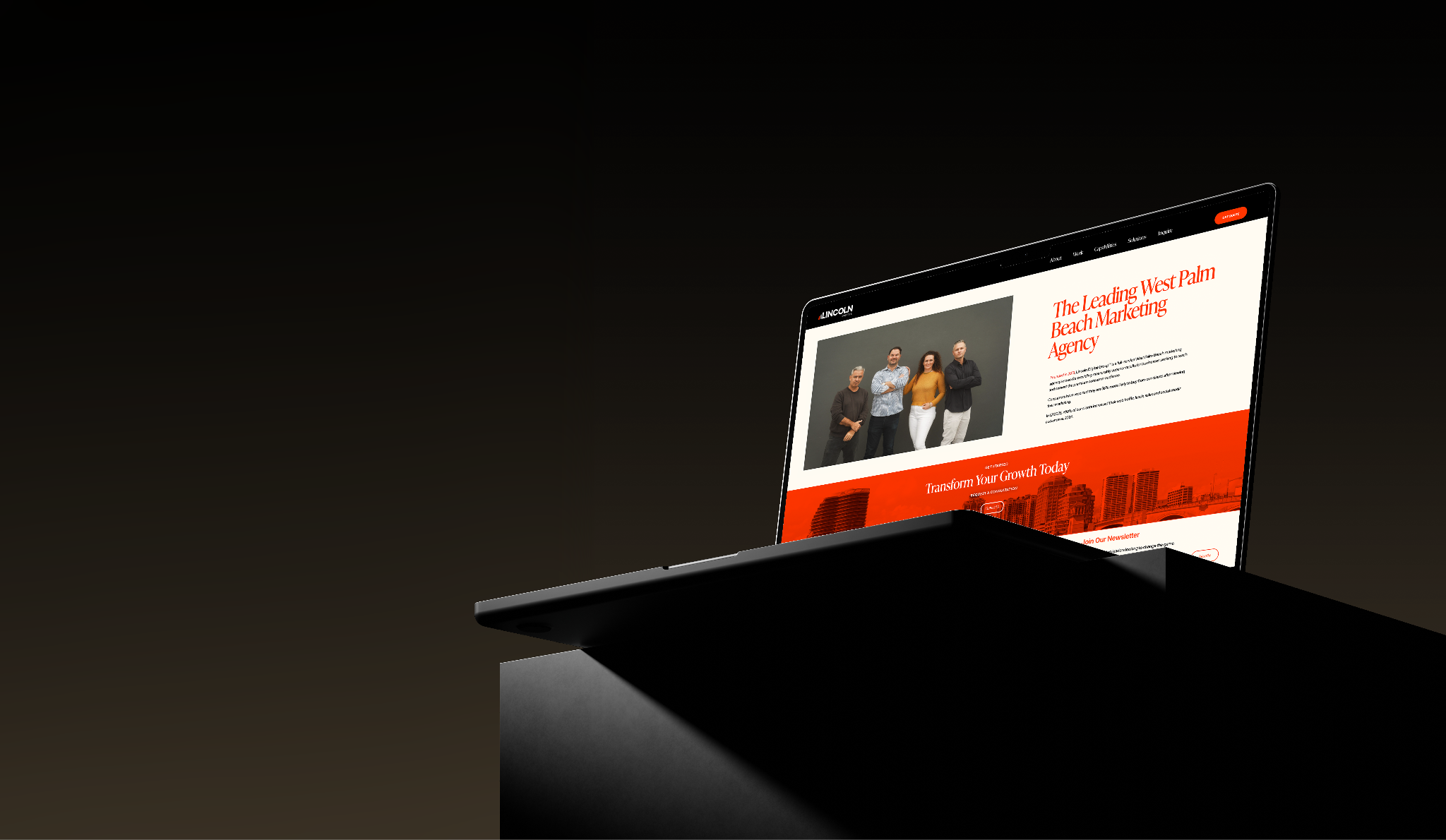
Lincoln Digital Group has built its hospitality and lifestyle practice around exactly this kind of specialization. Working with properties and brands like Bradley’s Saloon, Nora West Palm, and Cove Club, LDG combines strategic vision, branding, social-first creative, and performance marketing under one team, so campaigns are built around direct booking revenue and brand equity, not disconnected tactics. Since 2022, client retention has stayed above 85%, and 90% of clients grew their investment with the agency over the past year, results built on exactly the kind of specialization luxury hotel brands should be evaluating for.
Ask how they measure success beyond impressions or clicks, how they’ve helped hospitality clients grow direct bookings relative to OTA dependency, and how they structure seasonal media strategy. Their answers should be specific to hospitality, not generic marketing language.
Not automatically, size alone doesn’t determine fit. What matters is whether the agency specializes in luxury hospitality, understands revenue metrics like RevPAR and ADR, and can show creative and campaign work built specifically for premium guest experiences.
Budgets vary by property size, market, and goals, but should account for creative production, media spend across paid search and social, metasearch participation, and reporting or attribution tools. A qualified agency will build a phased budget after understanding your current channel mix and goals.
Look for fluency in hospitality-specific metrics and channels, a portfolio of premium (not just mid-market) hospitality work, and a clear strategy for growing direct bookings rather than just running generic paid campaigns.
If you’re evaluating partners for your property, Lincoln Digital Group welcomes the comparison. Visit lincolndigitalgroup.com/contact-us/ to talk with our hospitality marketing team about your goals.