
A fashion marketing agency combines brand storytelling, social-first creative, influencer and content strategy, and performance media to drive both visibility and sales for apparel, accessories, and lifestyle brands. The best agencies treat fashion as a visual-first, trend-sensitive category — building campaigns that move as fast as the culture around them while still driving measurable revenue.
Fashion marketing has unique demands that separate it from other retail categories. Visual quality is non-negotiable, trends shift quickly, and audiences expect a consistent brand aesthetic across every touchpoint — website, social feed, email, and paid ads. A modern fashion marketing agency typically manages:
A strong fashion marketing process usually starts with a seasonal or collection-based planning cycle rather than a single annual plan. Strategy sessions map out key launch dates, content themes, and channel priorities months in advance, while leaving room to react to trending moments in real time. Creative production follows, often batching photo and video content around a single shoot day to fuel weeks of social content. Paid media then amplifies the best-performing organic content rather than starting from scratch with brand-new ad creative — a method that tends to outperform cold ad concepts because it’s already been validated by real audience engagement.
Fashion marketing leans heavily on visual and social platforms. Instagram and TikTok typically carry the most weight for brand discovery and community-building, while Pinterest often drives longer-tail traffic for evergreen style content. Email remains a strong direct channel for collection launches and loyalty audiences. On the measurement side, attribution tools that connect social engagement and paid spend to actual purchase behavior are essential — vanity metrics like likes and follower growth don’t tell a brand whether a campaign actually moved product.
When evaluating a fashion marketing agency, look past the visual portfolio and ask about outcomes:
Be cautious of agencies that present only aesthetic mood boards without a strategy behind them, that can’t speak to performance data beyond engagement rates, or that use a one-size-fits-all content calendar regardless of the brand’s specific collections and launch timing. A portfolio full of beautiful images with no measurable outcomes attached is a warning sign, not a selling point.
Investment levels are shaped largely by the volume of creative production required. Brands launching frequent seasonal collections need more consistent photo and video output than brands with a slower release cadence. Influencer partnerships add another cost variable, ranging widely based on creator tier and usage rights. Paid media spend should scale around key launch windows rather than staying flat year-round, since fashion demand is inherently cyclical.
South Florida’s fashion and lifestyle market — spanning Palm Beach, Palm Beach Gardens, Boca Raton, and West Palm Beach — caters to an affluent, style-conscious consumer with strong ties to resort wear, boutique retail, and lifestyle brands. Local market fluency matters here: understanding which local events, seasonal residents, and regional retail patterns drive demand can shape a smarter, more efficient campaign calendar than a generic national strategy.
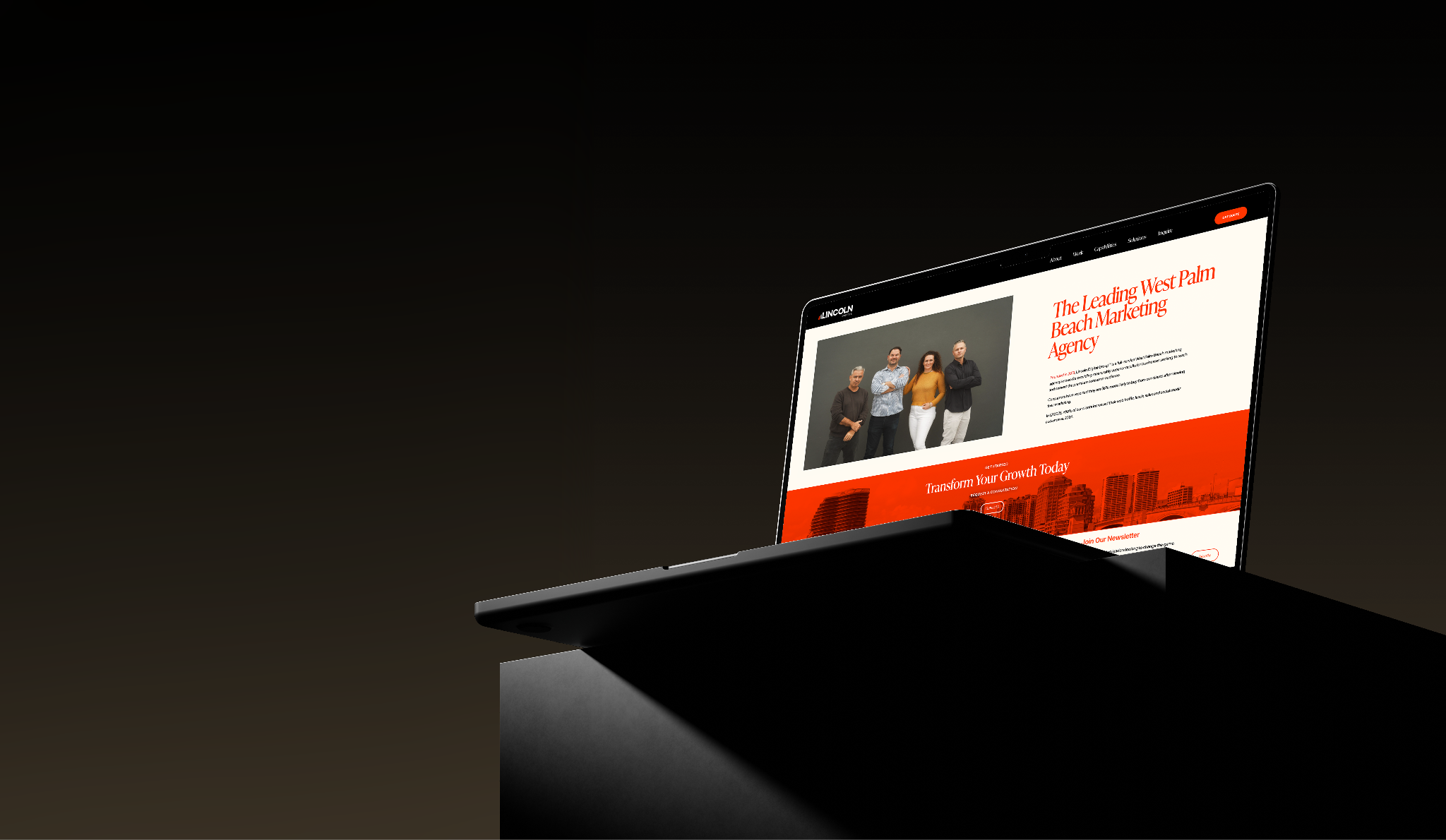
Lincoln Digital Group has worked with premium lifestyle and retail brands across South Florida since 2013, combining social-first creative, brand strategy, performance marketing, and conversion-focused web design into one connected process. That integrated approach means a fashion or lifestyle brand’s story stays consistent from a styled social post to a paid ad to the final purchase page — with senior strategists involved throughout, not handed off after the pitch.
LDG’s results reflect that approach: client retention has exceeded 85% since 2022, and 90% of clients grew their marketing investment over the past 12 months, evidence of a model built for sustained growth rather than one-off seasonal campaigns.
Fashion marketing relies more heavily on visual storytelling, trend responsiveness, and social-first content than general retail marketing. Collections and seasonality also drive the campaign calendar in ways that don’t apply to most other retail categories.
Not necessarily, but influencer and creator partnerships can meaningfully extend reach and credibility when the creators genuinely align with the brand. The right fit matters more than follower count, and results should be measured against actual sales, not just engagement.
Posting frequency depends on the platform and audience, but most fashion brands benefit from batching content production around collection launches to maintain a steady output across social channels between shoots.
Effective measurement connects social and paid media engagement to actual sales and conversion data, not just impressions or follower growth. Strong attribution shows which content and channels are driving revenue, allowing budget to shift toward what’s actually working.
Fashion marketing rewards a partner who can move as fast as the culture while still proving results. Lincoln Digital Group brings that combination to premium lifestyle and retail brands across South Florida. Visit lincolndigitalgroup.com/contact-us/ to discuss your brand’s next collection launch.