
Luxury ads work best when they sell a feeling and a standard of quality first, and a product or property second — the goal is to reach a narrow, qualified audience without cheapening the brand’s positioning. Done poorly, luxury ads either look indistinguishable from mass-market advertising or spend heavily on reach that never converts to real inquiries.
The honest answer is that most of what separates luxury ads from standard ads isn’t the platform — it’s the creative discipline and targeting behind it. Luxury ads tend to use higher production value imagery and video, restrained copy that implies rather than oversells, and calls to action that feel like an invitation rather than a hard sell.
Just as important is where the ad doesn’t show up. Luxury brands are often more selective about placement and frequency than mass-market advertisers, avoiding contexts that would undercut the brand’s positioning even if those placements are cheaper or higher-reach.
Brands reviewing ad creative or an agency’s proposed approach should look for:
If an agency can’t explain why a particular platform or format fits a luxury audience specifically, that’s worth pressing on.
The most common mistake is applying mass-market direct-response tactics — countdown timers, discount codes, aggressive retargeting frequency — to a luxury audience that responds negatively to pressure. Another red flag is optimizing purely for cost-per-click or cost-per-impression, which rewards broad, low-quality reach rather than qualified engagement.
Watch, too, for creative that leans entirely on stock photography or generic lifestyle imagery. Luxury audiences can tell the difference between authentic brand photography and a stock library, and it affects credibility quickly.
A sound approach to luxury ads typically starts with defining the qualified audience precisely — not just by income, but by behavior and intent. From there, creative is built to match brand voice and visual standards, campaigns launch on a smaller number of well-chosen platforms, and performance is measured against qualified leads or bookings rather than raw engagement.
Testing still matters in luxury advertising, but it tends to be slower and more deliberate — testing messaging and creative concepts rather than running dozens of rapid, low-cost variations the way a mass-market campaign might.
Luxury ad budgets are typically driven more by creative production cost than media spend, since imagery and video quality carry more weight than sheer ad volume. Media spend itself is usually more concentrated on fewer, higher-quality placements rather than spread across many channels.
Brands should expect to pay a premium for creative production and channel selection expertise, and should evaluate cost against qualified inquiry volume and average transaction value rather than cost-per-click benchmarks borrowed from mass-market advertising.
South Florida’s premium audience — spread across West Palm Beach, Palm Beach Gardens, Boca Raton, and Riviera Beach — includes both year-round residents and a large seasonal population, which affects timing and platform choice for luxury ads. Campaigns that ignore this seasonality often waste budget reaching audiences that aren’t in-market at that time of year.
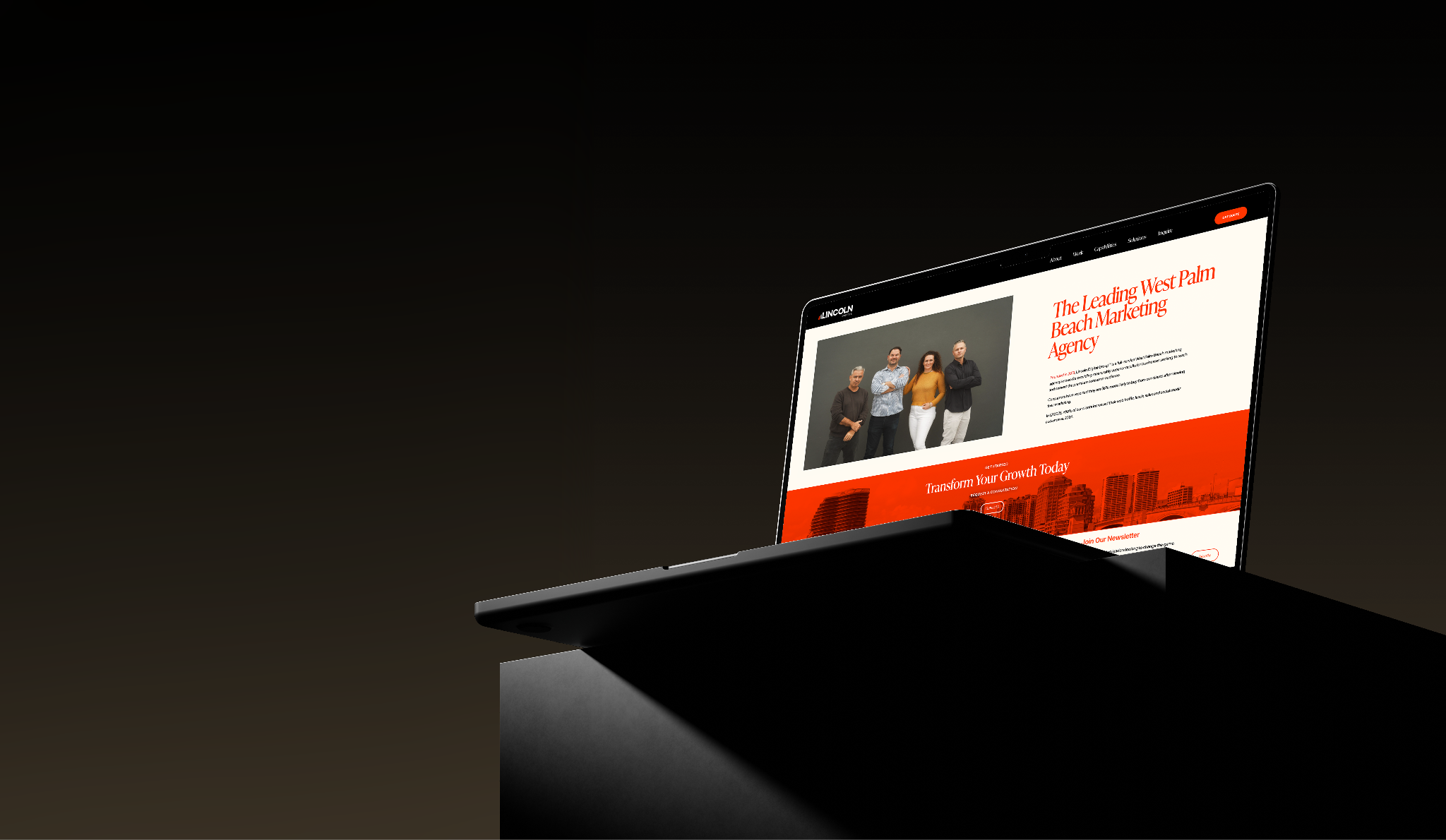
Lincoln Digital Group has run paid social and PPC programs for premium hospitality, healthcare, retail, and real estate brands in this market since 2013, building luxury ad campaigns around qualified audiences and real attribution rather than vanity metrics.
Instagram, high-end publisher networks, and connected TV tend to outperform broad-reach platforms for luxury audiences, though the right mix depends on the specific brand category and audience behavior.
Not necessarily bigger, but differently allocated — luxury ad budgets typically weight more heavily toward creative production quality and less toward sheer media volume.
Success should be measured by qualified leads, bookings, or inquiries tied to actual revenue potential, not by impressions, clicks, or follower growth alone.
Rarely, and only when handled carefully. Aggressive discounting or urgency tactics can undercut a luxury brand’s positioning, so any promotional messaging needs to be framed carefully to preserve perceived value.
If you want luxury ads built on real strategy and attribution rather than borrowed mass-market tactics, Lincoln Digital Group is ready to talk through your goals. Connect with the team at lincolndigitalgroup.com/contact-us/.