
Luxury and brand management is the discipline of building and protecting a premium brand’s positioning, perceived value, and customer experience across every touchpoint. Unlike mass-market brand management, which often optimizes for reach and volume, luxury brand management optimizes for exclusivity, consistency, and emotional connection — treating scarcity and craftsmanship as strategic assets rather than limitations.
Premium brands operate on a different set of assumptions than mainstream consumer brands, and understanding those assumptions is the foundation of luxury and brand management.
These principles apply whether the brand is a century-old fashion house or a boutique hospitality group that opened five years ago. What matters is disciplined execution of the principles, not the brand’s age.
Traditional brand management often measures success through reach, conversion rate, and cost per acquisition. Luxury and brand management still cares about those metrics, but weighs them against a second, sometimes competing priority: protecting the brand’s exclusivity and long-term equity.
This creates real tension. A luxury hospitality brand could likely drive short-term bookings with aggressive discounting or mass-reach paid campaigns, but doing so risks diluting the very positioning that justifies premium pricing in the first place. Effective luxury brand managers hold both goals simultaneously — growth and exclusivity — and this is a large part of why generic marketing playbooks fail when applied directly to premium categories.
Decision-making in luxury brand management also tends to be more centralized. Where a mass-market brand might delegate messaging flexibility to regional teams or franchisees, luxury brands typically maintain tighter creative and tonal control to ensure the experience feels identical whether a customer engages in Palm Beach or Paris.
Behind the strategic principles, luxury and brand management involves a fairly specific set of ongoing activities:
Luxury and brand management historically leaned on print, PR, and in-person experience to build prestige. That’s changed substantially. Affluent consumers, including younger high-net-worth buyers, now discover and evaluate premium brands primarily through social media, search, and digital content before ever engaging in person.
This shift means luxury brand managers now need fluency in social-first creative, SEO, and performance marketing — channels that were once considered beneath premium brands are now essential to reaching the audience at all. The brands managing this transition well haven’t abandoned exclusivity; they’ve translated it into digital formats, using platforms like Instagram for visual storytelling while maintaining the same standard of craft and consistency they’d apply to a print campaign or flagship store.
Even well-established premium brands make missteps that erode equity over time. The most common ones include over-discounting during slow periods, inconsistent visual identity across marketing partners or locations, chasing broad reach at the expense of relevance, and neglecting digital experience while over-investing in physical touchpoints. Each of these mistakes tends to compound — a single discounted promotion might not damage a brand permanently, but repeated inconsistency erodes the trust that luxury positioning depends on.
Luxury brand management prioritizes exclusivity, consistency, and long-term perceived value over maximum reach or short-term conversion. Regular brand management often optimizes primarily for volume and acquisition cost, while luxury brand management treats scarcity and price integrity as strategic assets.
Strong candidates typically combine marketing fundamentals with an understanding of consumer psychology, visual and verbal brand consistency, and increasingly, digital and social-first strategy. Experience in hospitality, retail, or a related premium category is often valued alongside formal marketing education.
Discounting signals reduced value and can undermine the exclusivity that justifies premium pricing in the first place. Luxury brands generally protect margin and perception through limited, controlled promotions rather than broad markdowns.
It’s become essential. Affluent and aspirational consumers now discover and evaluate premium brands through platforms like Instagram well before any in-person interaction, making social-first content a core part of modern luxury brand strategy rather than an afterthought.
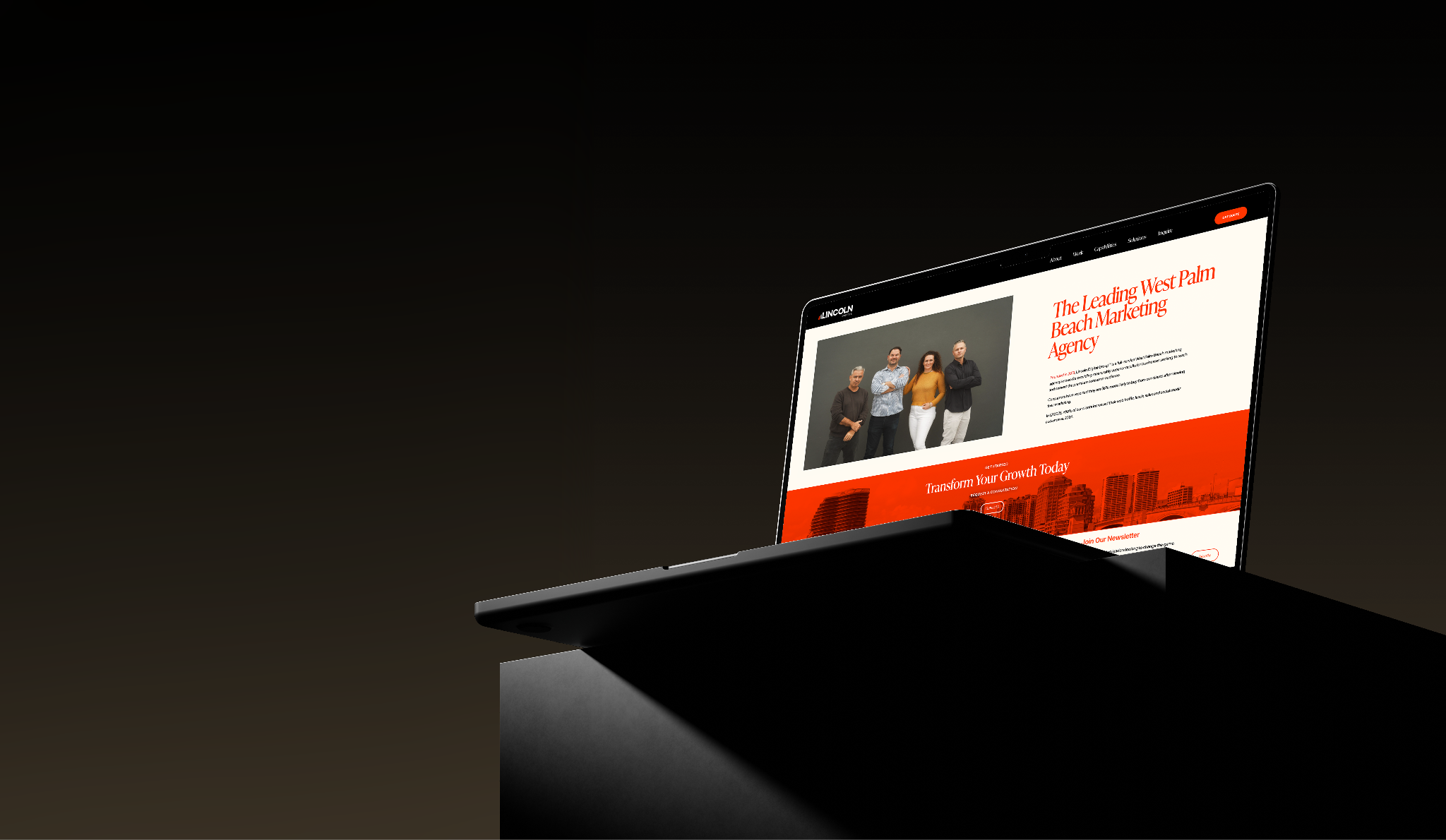
Lincoln Digital Group works with premium and high-value-consumer brands across hospitality, lifestyle, healthcare, retail, and real estate to build brand strategies that protect exclusivity while driving measurable growth. Visit lincolndigitalgroup.com/contact-us/ to discuss your brand.