
Luxury brand advertising campaigns built for today’s buyer succeed by leading with relevance and trust rather than volume — meeting affluent, discerning customers where they already are, with messaging that respects their intelligence and their time. The old model of broad-reach, discount-adjacent advertising no longer resonates with premium consumers who expect personalization, authenticity, and a seamless path from discovery to decision.
The shift is not cosmetic. Affluent buyers research extensively before committing, cross-reference reviews and social proof, and expect a brand’s advertising to match the quality of the product or experience it’s selling. A campaign that feels like a generic retail push — regardless of budget — signals to a premium customer that the brand doesn’t understand them. Rethinking luxury advertising for this era means rebuilding the strategy around the buyer’s actual journey, not the media plan’s convenience.
Most advertising playbooks were built for high-volume, low-consideration purchases. They reward frequency, broad targeting, and urgency-driven creative — tactics that actively undermine luxury positioning. A hospitality brand or premium retailer running “last chance” countdown ads or blanket discount messaging is training its own audience to wait for a deal, which erodes the pricing power the brand worked to build. Luxury brand advertising campaigns need a different foundation: precision targeting over broad reach, narrative-driven creative over urgency tactics, and long-consideration nurture sequences over one-click conversion pushes.
A buyer-first campaign starts by mapping the real decision journey of a premium customer, which is almost always longer and more relationship-driven than standard retail funnels. That means advertising has to work across multiple touchpoints and formats — social-first creative that builds brand affinity before any direct offer appears, retargeting sequences that deepen trust rather than just repeating a discount, and landing experiences that match the polish of the ad itself. The creative also has to earn attention on its own merits: premium audiences respond to storytelling, craftsmanship, and social proof from people who look and live like them, not generic stock-photo lifestyle imagery.
Personalization matters more than ever, but it has to be handled carefully. Luxury buyers expect relevance — ads that reflect their actual interests and prior engagement — without feeling surveilled or overly aggressive. The best luxury brand advertising campaigns strike that balance by using first-party data and clear customer segmentation rather than blunt retargeting that follows someone across every platform with the same static offer.
When assessing whether a luxury advertising campaign is actually built for a buyer-first era, a few criteria matter most.
Several warning signs indicate a campaign strategy is stuck in an outdated model. Heavy reliance on discount codes or “sale” language is one of the clearest signals that a brand is chasing short-term volume at the expense of long-term positioning. Another is generic creative that could belong to any brand in the category — if the ad doesn’t clearly differentiate the brand’s specific value, it’s not doing its job. A third red flag is reporting that stops at surface-level metrics like impressions or click-through rate without connecting to actual revenue outcomes or customer lifetime value.
Buyer-first luxury advertising campaigns typically require more upfront investment in creative development and audience research than volume-driven campaigns, but they generate significantly better efficiency over time because they attract the right customer rather than the most customers. Investment levels should be evaluated in terms of quality of audience reached and downstream value generated, not just cost-per-click. Brands that under-invest in creative quality often end up spending more on media to compensate for weak messaging — a false economy that shows up in disappointing conversion rates.
South Florida’s luxury market — spanning West Palm Beach, Palm Beach Gardens, Boca Raton, and Riviera Beach — is home to an unusually concentrated population of affluent buyers across hospitality, real estate, retail, and healthcare. Advertising strategies that work in this market need to reflect the seasonal rhythms of South Florida tourism and residency, the specific competitive landscape of luxury brands vying for the same customer base, and channel preferences that differ from national averages. A team with direct South Florida experience builds campaigns calibrated to this reality rather than applying assumptions from other markets.
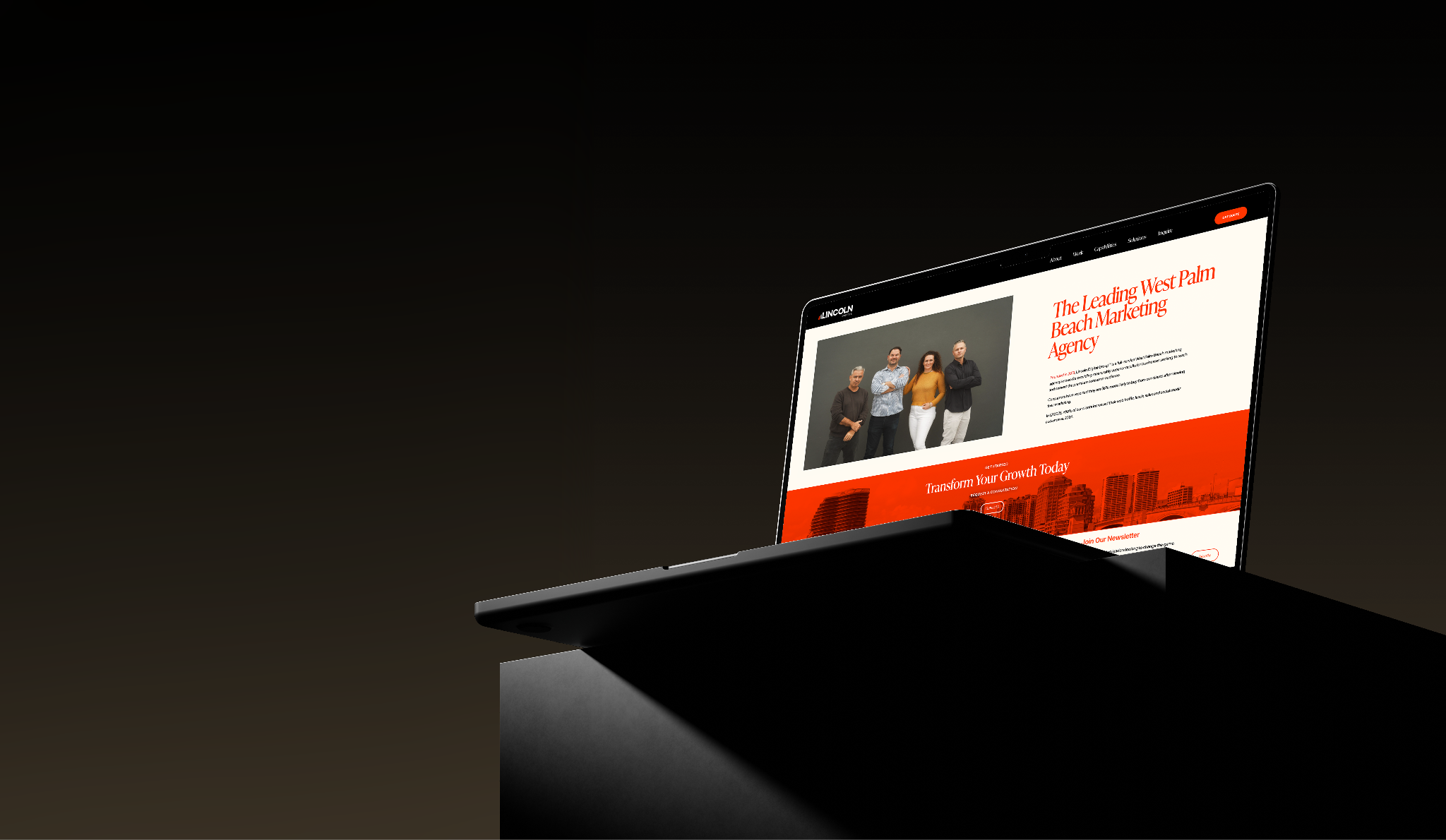
Lincoln Digital Group builds luxury brand advertising campaigns around strategic vision first — understanding a brand’s positioning and customer journey before a single ad is built. That approach integrates social-first creative, performance marketing, and measurement and attribution into one accountable process, so campaigns are judged on real business outcomes rather than vanity metrics. Since 2022, LDG has kept client retention above 85%, with 90% of clients increasing their investment in the past year — evidence that this buyer-first, results-driven approach compounds over time rather than burning out after one campaign cycle.
It’s a strategy that builds campaigns around the actual research and decision behavior of affluent customers — precision targeting, narrative-driven creative, and long-consideration nurture sequences — rather than broad-reach, discount-driven tactics designed for high-volume, low-consideration purchases.
Yes, but paid advertising should reinforce and extend the same brand experience that drives word-of-mouth, not undercut it with discount-driven or generic messaging. Well-targeted paid social and search campaigns help premium brands reach new qualified audiences while existing customers continue to be won through experience and reputation.
Success should be measured against business outcomes like qualified leads, bookings, average order value, and customer retention — not just impressions or clicks. A strong measurement framework connects ad spend directly to revenue and long-term customer value.
Creative should evolve based on performance data and seasonal relevance rather than a fixed schedule, but premium brands generally benefit from refreshing core creative every quarter to avoid fatigue while maintaining consistent brand tone and positioning.
Rethinking your advertising strategy for a buyer-first era starts with the right conversation. Reach out to Lincoln Digital Group at lincolndigitalgroup.com/contact-us/ to talk through how a West Palm Beach-based team with deep experience in premium categories can help your brand build campaigns that earn trust and drive growth.