
A luxury hotel branding agency should be evaluated on hospitality-specific experience, its ability to translate guest experience into brand identity and digital presence, and proof that its work drives measurable bookings and guest retention — not just visually appealing design. The right agency treats a hotel’s brand as the sum of every guest touchpoint, from the first ad impression to the in-room experience, and builds strategy accordingly.
Hotel branding is unusually demanding compared to other categories because the brand has to perform across so many different moments — a website booking flow, social content that captures atmosphere and service quality, on-property signage and collateral, and guest communications before and after a stay. An agency without direct hospitality experience often misses how these pieces need to work together, treating branding as a one-time visual identity project rather than an ongoing system that shapes guest expectations and loyalty.
Strong hotel branding work goes well beyond a new logo or refreshed color palette. It should define the hotel’s position relative to comparable properties in the market, translate that position into a visual and verbal identity that feels authentic to the property’s actual guest experience, and extend that identity consistently across the website, booking engine, social channels, and paid media. A genuinely capable agency also considers how branding affects direct booking rates versus OTA dependency, since a stronger, more trusted brand identity typically reduces reliance on third-party booking platforms and their associated fees.
When comparing luxury hotel branding agency options, a few criteria consistently separate strong partners from weaker ones.
Certain patterns should give hotel ownership and marketing teams pause. An agency that leads with visual design samples but can’t speak to booking performance or guest retention outcomes is likely treating branding as a purely aesthetic exercise. Be cautious of agencies proposing a one-time rebrand with no plan for how the new identity will be maintained and extended across future campaigns and seasons. Also watch for a lack of hospitality-specific case studies — branding principles that work for a retail or consumer product brand don’t always translate directly to the operational and seasonal complexity of a hotel property.
A well-run engagement with a luxury hotel branding agency typically starts with a positioning audit — assessing the property’s current guest perception, competitive set, and any gaps between the brand promise and the actual on-property experience. From there, the agency should develop a clear brand narrative and visual identity system grounded in that positioning, followed by application across every guest-facing channel: website and booking flow, social content, paid media creative, and on-property materials. The final stage is measurement and iteration, tracking how the new brand identity affects direct bookings, guest sentiment, and repeat visitation over the following seasons.
Luxury hotel branding investment varies significantly based on scope. A narrow visual identity refresh costs far less than a comprehensive rebrand that includes website redesign, content production, and ongoing performance marketing integration — but the narrower engagement often delivers less durable results because the new identity isn’t consistently reinforced across guest touchpoints. Properties should also budget for ongoing brand management rather than treating a rebrand as a one-time expense, since hospitality brands need continuous content and campaign development to stay relevant across changing seasons and guest expectations.
South Florida — including West Palm Beach, Palm Beach Gardens, Boca Raton, and Riviera Beach — hosts an unusually competitive concentration of luxury and boutique hotel properties, all vying for the same affluent traveler base. A branding agency with direct South Florida experience understands the seasonal tourism patterns unique to the region, the specific expectations of both destination travelers and local high-net-worth guests, and the competitive positioning needed to stand out among comparable properties in the market.
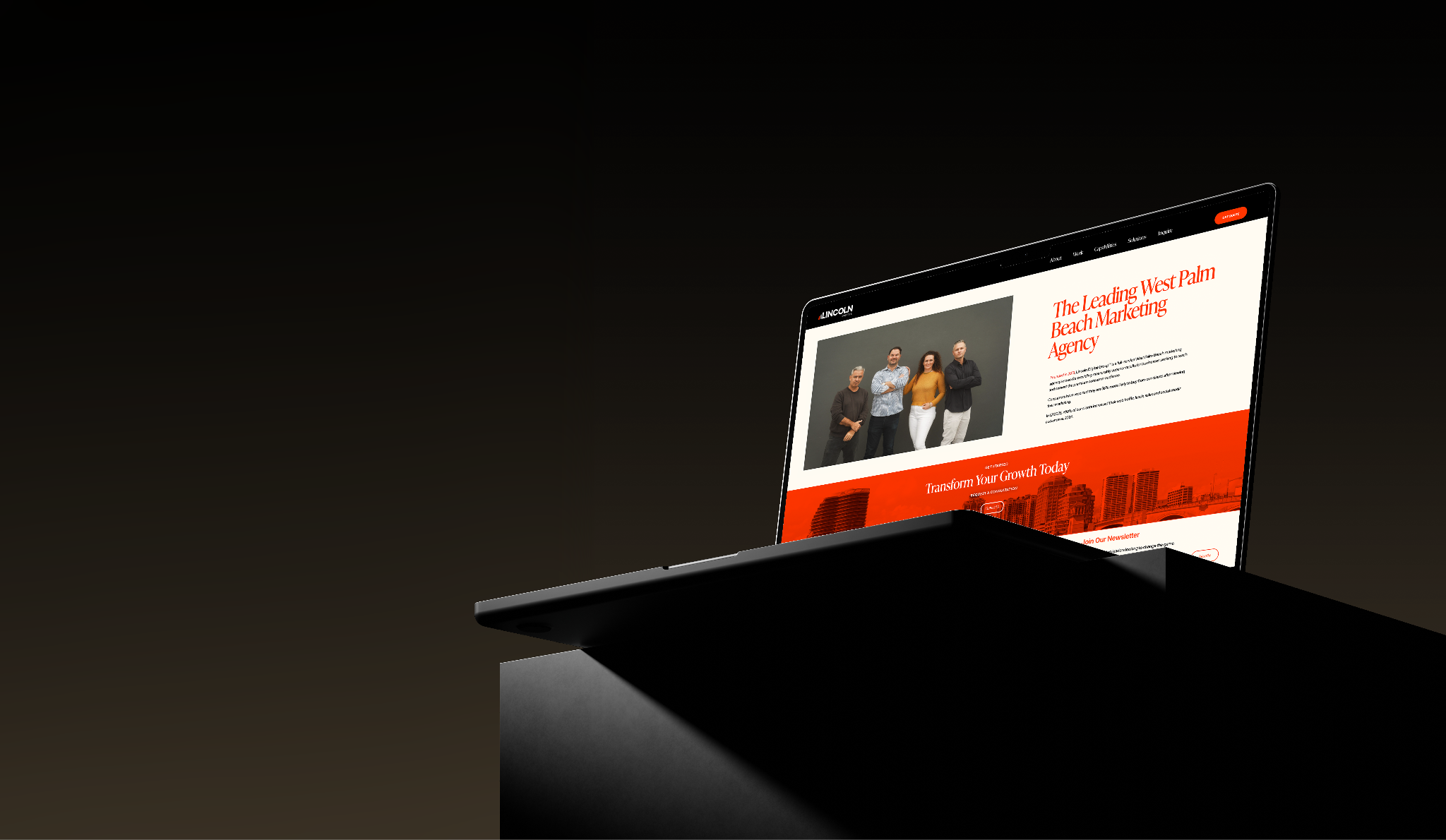
Lincoln Digital Group has direct experience serving premium hospitality brands, including work with properties like Nora West Palm and Cove Club, giving the agency firsthand understanding of how branding needs to function across the full guest journey. LDG’s model integrates strategic vision, branding, social-first creative, performance marketing, web design/UX, and measurement under one team — which means a hotel’s brand identity, booking experience, and marketing campaigns all stay aligned rather than being managed by disconnected vendors. Since 2022, client retention has exceeded 85%, reflecting the kind of sustained partnership that hospitality branding requires to actually move the needle on bookings and guest loyalty.
A luxury hotel branding agency defines a property’s market position and translates it into a consistent visual and verbal identity across every guest touchpoint — website, booking flow, social content, paid media, and on-property materials. The goal is a brand experience that matches the actual quality of the stay and supports both direct bookings and guest loyalty.
Hotel branding has to account for the operational and seasonal realities specific to hospitality, including how the brand experience shows up differently across the discovery, booking, and post-stay phases of a guest’s journey. General brand consultants without hospitality experience often miss these category-specific nuances.
Timelines vary based on scope, but a comprehensive rebrand including strategy, visual identity, and website redesign typically takes several months from initial audit to full launch across all guest touchpoints. Properties should plan around seasonal booking cycles to minimize disruption during peak periods.
Yes — a stronger, more trusted brand identity typically increases guest confidence in booking directly rather than through third-party platforms, which reduces OTA commission costs and improves guest data ownership. This effect compounds when branding is paired with a well-designed, high-converting booking experience.
Evaluating a luxury hotel branding agency is a significant decision for any property’s long-term positioning. Contact Lincoln Digital Group at lincolndigitalgroup.com/contact-us/ to discuss how a West Palm Beach-based team with real hospitality experience can help elevate your property’s brand and booking performance.