
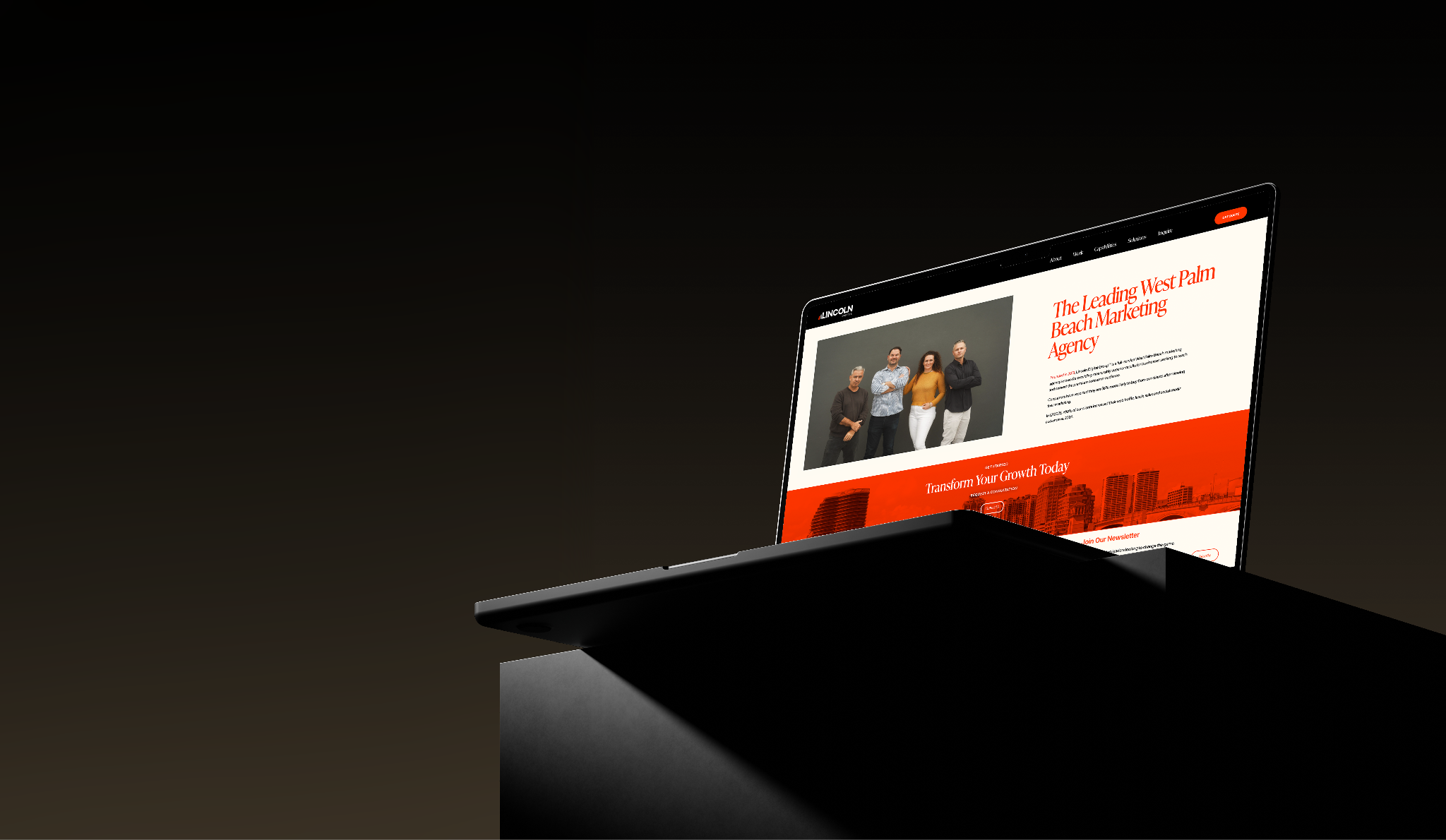
Luxury hotel marketing sits at the intersection of hospitality operations, brand management, destination marketing, and digital performance — and doing it well requires fluency in all four. This field guide is designed for marketing professionals working in or serving the luxury hospitality sector: what the discipline requires, which channels matter, and how to build programs that fill rooms with the guests who generate the most value.
The luxury hotel buyer is sophisticated, well-traveled, and has experienced the world’s best properties. Marketing to them requires credibility, specificity, and the ability to communicate genuine differentiation — not just beautiful imagery and aspirational language.
Several dynamics make luxury hotel marketing particularly complex:
Multiple buyer types, each with different needs: The leisure guest booking a romantic escape, the corporate traveler staying for a week-long conference, the wedding planner scouting venue options, and the travel advisor recommending properties for high-net-worth clients all require different marketing approaches — different channels, different content, different value propositions.
The OTA relationship tension: Online travel agencies (Expedia, Booking.com, Hotels.com) drive significant volume but capture significant margin and own the guest relationship. Luxury hotels need to invest in direct channel strategies that reduce OTA dependency while maintaining acceptable distribution costs.
Reputation as the primary marketing asset: Review scores on TripAdvisor, Google, and booking platforms, combined with editorial coverage in Condé Nast Traveler, Travel + Leisure, and comparable publications, carry more persuasive weight than almost any paid marketing. Reputation management is inseparable from marketing.
Seasonality and rate management: Luxury hotel marketing must align with revenue management strategy — driving demand in shoulder periods, managing conversion during peak periods, and supporting group and event sales across the full calendar.
Direct Booking Website: The luxury hotel website is the brand’s primary commercial asset. It must reflect the property’s visual identity at a high level of design quality, drive direct bookings with a frictionless reservation experience, convert browsing visitors with clear CTAs for group sales and wedding inquiries, perform well in organic search, and load quickly on mobile devices.
Search Engine Optimization: SEO for luxury hotels captures research-phase traffic: location and accommodation type searches (“luxury boutique hotel West Palm Beach”), experience-based searches (“romantic weekend getaway South Florida”), competitor comparison searches, and long-tail queries that indicate late-stage purchase intent.
Paid Search: Google Ads for luxury hotels focus on brand terms (capturing direct demand before OTAs intercept it), high-intent destination queries during consideration windows, competitor terms for guests researching comparable properties, and special event and seasonal queries timed to booking windows.
Social Media and Visual Storytelling: Instagram remains the dominant platform for luxury hotel marketing — for showcasing the property’s visual experience and lifestyle narrative. LinkedIn matters for group sales and corporate travel marketing.
Travel Advisor and Consortium Relationships: Building relationships with Virtuoso members, Signature Travel Network advisors, and independent luxury travel consultants is a critical channel for many luxury hotel properties. This requires dedicated travel advisor marketing: FAM trips, consortium participation, advisor training programs, and relationship management at the individual advisor level.
Email Marketing and CRM: Pre-arrival communications that build anticipation and drive ancillary revenue, post-stay communications that invite feedback and encourage repeat booking, seasonal offers calibrated to past guest preferences, and exclusive loyalty offers that reward direct relationships over OTA bookings.
PR and Editorial Coverage: Securing coverage in premium travel publications — Condé Nast Traveler, Town & Country, Travel + Leisure, regional luxury lifestyle publications — drives both awareness and credibility with exactly the right audience.
Revenue Per Available Room (RevPAR): The primary performance metric — combines occupancy and average daily rate to show total revenue generation.
Direct Booking Rate: The percentage of reservations coming through direct channels vs. OTAs — a key indicator of brand strength and distribution cost management.
Customer Acquisition Cost (CAC) by Channel: Understanding which marketing channels generate guests at the lowest total acquisition cost.
Guest Lifetime Value (LTV): Luxury hotel guests who return and refer are worth multiples of their first-stay revenue. Marketing metrics should account for LTV, not just first-booking revenue.
Review Scores and Sentiment: Aggregate reputation scores across platforms and key sentiment themes in guest feedback.
Lincoln Digital Group builds digital marketing programs for luxury hospitality brands across South Florida — including website design and optimization, SEO, paid search, social media management, and content strategy. Our work reflects the specific standards and strategic sophistication that luxury hotel marketing demands.
Lincoln Digital Group | lincolndigitalgroup.com