
Luxury real estate advertising has shifted from broadcasting listings to guiding a buyer’s entire decision journey. Today’s high-net-worth buyers research extensively online before ever contacting an agent, meaning advertising that only showcases square footage and finishes falls flat. Effective campaigns now combine targeted digital placement, lifestyle storytelling, and a frictionless path from ad to inquiry.
For decades, luxury real estate advertising leaned on print spreads, glossy brochures, and open houses as the primary tools of persuasion. That model assumed buyers needed exposure to inventory they otherwise wouldn’t see. It no longer holds. Buyers today arrive at a listing already informed — they’ve viewed the property online, researched the neighborhood, and often compared it against five or six similar homes before an agent enters the picture.
That means advertising’s job has changed. It’s no longer about generating awareness of a single property; it’s about establishing trust, authority, and relevance long before a buyer is ready to transact. Agencies and brokerages still running media plans built around print placements and generic listing syndication are competing for attention in channels buyers have largely stopped using for discovery.
A buyer-first approach starts with understanding where affluent buyers actually spend time researching and how they make decisions, then building campaigns around that behavior rather than around inventory.
In practice, this looks like:
The common thread is respect for the buyer’s process. High-net-worth buyers don’t respond to pressure tactics; they respond to advertising that demonstrates expertise and makes the next step easy.
One of the biggest gaps in traditional luxury real estate advertising has been measurement. Print ads and generic listing portals rarely offer clear attribution, making it difficult to know which channel actually produced a qualified buyer versus a curious browser.
Modern luxury real estate advertising should be built with measurement baked in from the start: tracking which ad creative, audience segment, and landing page combination generates verified showings and offers, not just clicks. This is particularly important in high-value markets like Palm Beach Gardens, Boca Raton, and West Palm Beach, where a single listing’s marketing budget can rival an entire campaign for a lower-priced market, and every dollar needs to be justified by pipeline, not impressions.
Buyer-first luxury real estate advertising treats each property, development, or brokerage as a brand with its own narrative, rather than interchangeable inventory. A waterfront estate in Riviera Beach and a new luxury condo development in downtown West Palm Beach require entirely different positioning, tone, and channel mix, even if both target similarly affluent buyers.
This is where creative and strategy intersect. The advertising needs to answer, quickly and visually, why this property or brokerage matters to this specific buyer — lifestyle fit, exclusivity, location advantages, or investment potential — instead of relying on generic luxury signifiers like marble countertops and infinity pools that no longer differentiate anything in a crowded market.
Individual listing campaigns come and go, but brokerages and developers that treat luxury real estate advertising as an ongoing brand-building effort see compounding returns. Consistent social presence, a search-optimized website, and a reputation built over multiple listings create demand that outlasts any single property’s marketing cycle.
That requires coordination across SEO, paid media, content, and web design — functions that are often scattered across different vendors or handled reactively per listing. Bringing those pieces under a single strategic umbrella, with shared measurement and a consistent brand voice, is what separates brokerages that build lasting market authority from those restarting their advertising approach with every new property.
Luxury real estate advertising requires more sophisticated audience targeting, higher production-quality creative, and a brand-level narrative rather than a simple listing description. Buyers in this segment expect discretion, exclusivity, and content that reflects the caliber of the property, not mass-market listing templates.
Budgets vary widely by market and property value, but a common approach allocates a percentage of the listing price or development budget toward marketing, then splits that across paid social, programmatic display, content production, and SEO. The right number depends on competition in the specific market and the desired timeline to sale.
Yes. Platforms like Instagram have become primary discovery channels for affluent buyers researching properties and neighborhoods, particularly through video content and targeted paid placements. Social-first creative often outperforms traditional print in both reach and measurable engagement.
Effective measurement tracks the full funnel — impressions and engagement, but more importantly inquiries, qualified showings, and closed transactions attributed back to specific campaigns and creative. Without that attribution layer, it’s difficult to know whether spend is actually producing buyers or just visibility.
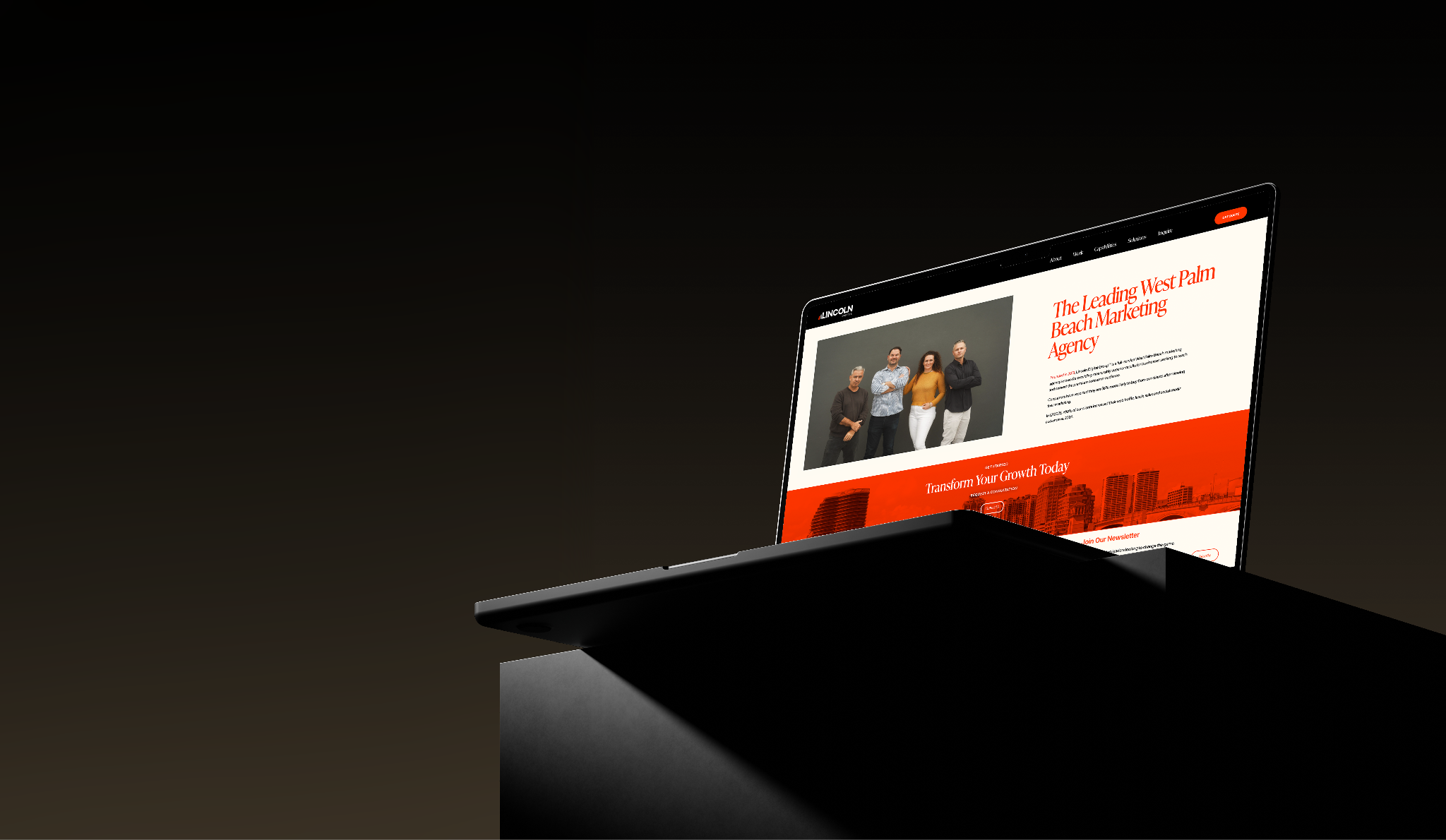
Lincoln Digital Group builds buyer-first advertising strategies for luxury real estate brands, developers, and brokerages across South Florida, combining paid media, SEO, and web design under one measurable strategy. Visit lincolndigitalgroup.com/contact-us/ to talk through your next listing or development launch.