A modern paid social advertising agency runs a structured system of audience research, creative testing, platform-specific media buying, and continuous optimization to turn ad spend into measurable revenue. Rather than “boosting posts,” the work centers on data, iteration, and attribution—so every dollar spent on Meta, Instagram, TikTok, or LinkedIn ads is traceable to a business outcome.
For premium and high-consideration brands—hospitality groups, healthcare practices, real estate developers—the gap between “we ran some ads” and “we built a predictable growth channel” almost always comes down to process. Here’s what that process actually looks like inside a serious agency, and how to tell one apart from a vendor that’s just spending your budget.
The day-to-day work splits into four buckets: strategy, creative production, media buying, and reporting. Strategists define audience segments and offer positioning. Creative teams build scroll-stopping assets—video-first, native to each platform’s feed behavior. Media buyers manage bidding, budget allocation, and platform algorithms across Meta, TikTok, and LinkedIn. Analysts close the loop, tying spend back to leads, bookings, or revenue.
None of these functions work well in isolation. A campaign with brilliant creative but poor audience targeting wastes spend. A perfectly targeted campaign with generic creative gets ignored in the feed. The agencies that consistently perform treat these as one integrated discipline, not four separate departments handing off a project.
Every credible paid social advertising agency follows some version of a test-and-scale framework:
This cycle typically repeats every one to two weeks. Brands that skip the testing phase and jump straight to scaling tend to see costs climb and returns erode within a month or two.
Agencies rely on a stack that goes beyond native ads managers. Expect to see Meta Ads Manager and TikTok Ads Manager for buying, a creative production pipeline (in-house video and design, not stock templates), UTM-based tracking, and a reporting layer—often a business intelligence dashboard—that pulls platform data alongside CRM or booking data. This last piece matters most: platform-reported conversions and actual revenue frequently diverge, and an agency that only reports platform metrics is telling half the story.
Outcomes should be specific to the business, not generic “engagement” metrics. For a hospitality client, that might be cost per reservation and revenue per ad dollar. For a healthcare practice, it’s cost per booked consultation. For real estate, it’s cost per qualified lead and pipeline value. A paid social advertising agency worth retaining will define these outcome metrics with you before the first dollar is spent, and revisit them monthly.
Watch for vague reporting (“engagement is up”), reluctance to share raw platform access, contracts that lock you in for a year with no performance benchmarks, and creative that looks identical across every client. A capable partner welcomes scrutiny of its numbers and can explain, in plain language, why a campaign is or isn’t working.
South Florida’s premium consumer market—Palm Beach, Boca Raton, Palm Beach Gardens, Riviera Beach—has its own dynamics: seasonal population swings, a hospitality and real estate economy that skews high-intent, and an audience that expects polished, brand-appropriate creative rather than generic stock ads. A paid social advertising agency working this market needs to understand local seasonality and how to pace budget around it, not just apply a national playbook.
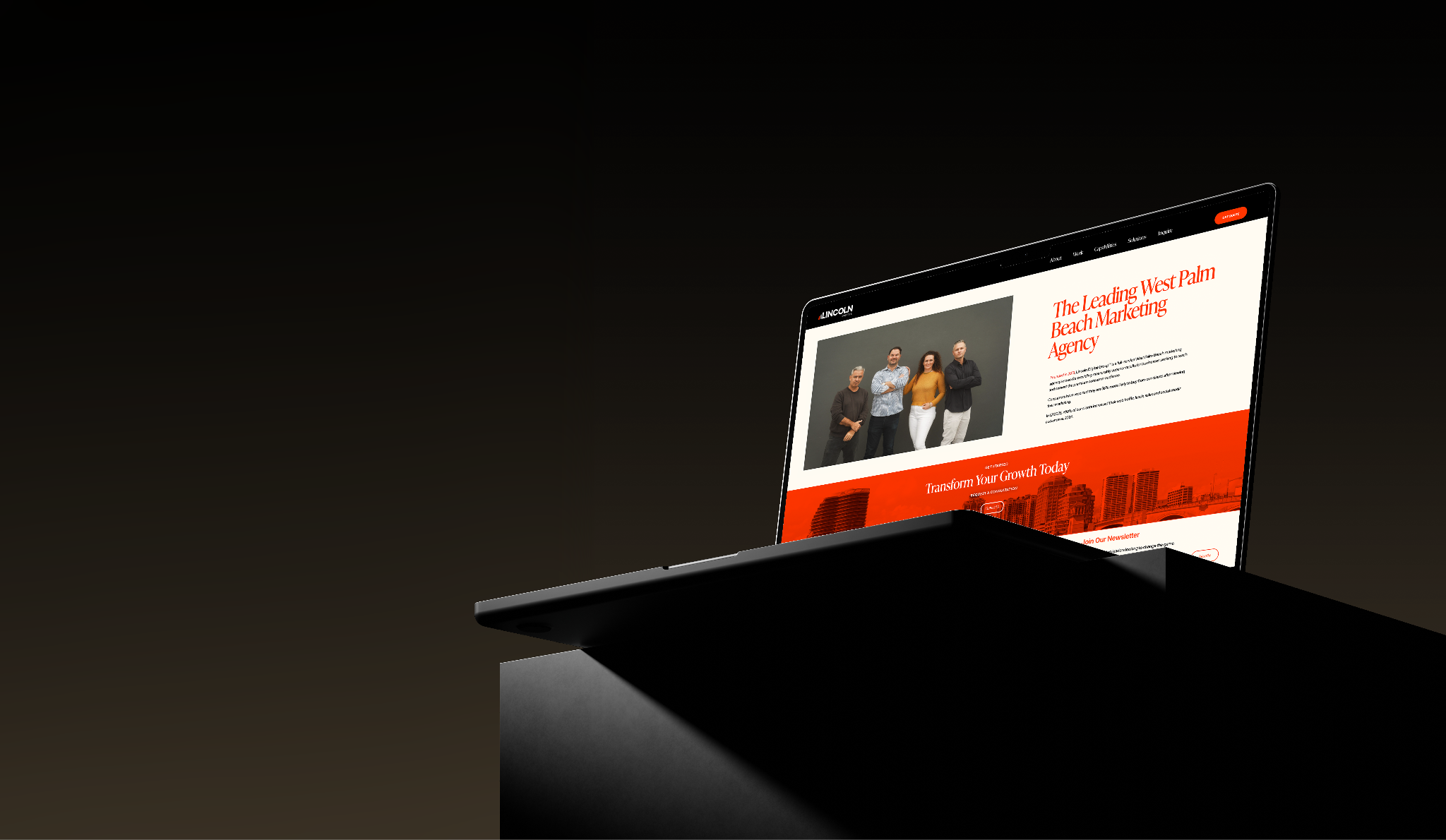
Lincoln Digital Group has run paid social programs for premium hospitality, healthcare, and real estate brands across South Florida since 2013, with more than 85% client retention since 2022 and 90% of clients increasing investment in the past year. The agency pairs in-house creative with performance media buying and attribution reporting tied to real business outcomes—not vanity metrics—so clients see exactly what their ad spend is producing.
Costs vary by scope, but most agencies charge a monthly management fee separate from ad spend, often ranging from a few thousand dollars for a single platform to more for multi-platform, full-funnel programs. Ad spend itself typically starts in the low thousands per month for meaningful testing data.
Expect an initial testing phase of two to four weeks to identify winning creative and audiences, with more consistent, scalable performance emerging by month two or three. Seasonal businesses should plan testing windows around their demand cycles.
An agency brings a full team—strategist, creative, media buyer, analyst—plus established processes and platform relationships. A freelancer may handle media buying well but often lacks in-house creative production or the bandwidth to manage testing at scale.
Yes, most agencies can integrate with an in-house creative team, providing platform strategy, media buying, and testing frameworks while your team supplies brand assets—though fully in-house creative production usually produces faster iteration cycles.
Ready to see what a structured paid social program could do for your brand? Visit lincolndigitalgroup.com/contact-us/ to talk with the Lincoln Digital Group team about your goals, audience, and market.