Real estate digital marketing is the set of channels and tactics — SEO, paid social, PPC, email, and conversion-focused web design — used to generate and nurture buyer, seller, and renter leads for residential, commercial, or luxury property brands. Unlike most industries, real estate marketing must account for long consideration cycles, high-stakes decisions, and hyperlocal search behavior all at once.
Most consumer purchases involve a single decision-maker and a short timeline. Real estate rarely works that way. A luxury condo buyer might browse listings for months before making contact, compare multiple developments, and involve a spouse, broker, or financial advisor along the way. That means real estate digital marketing has to do two jobs simultaneously: capture demand from people actively searching, and nurture the much larger group still in the research phase.
This is also a hyperlocal business. A campaign built for a national real estate brand won’t translate well to a specific development in Palm Beach Gardens or a boutique brokerage in Boca Raton. Search intent, imagery expectations, and even ad copy tone need to reflect the actual neighborhood and buyer profile.
A strong real estate digital marketing plan typically includes:
Brands that only run one or two of these in isolation tend to generate traffic without generating qualified leads.
When vetting a real estate digital marketing partner, ask to see how they handle attribution specifically. Real estate has long sales cycles, so a partner needs to track a lead from first ad click through to closed transaction — not just report on cost-per-click. Other things to evaluate:
Some warning signs suggest a partner is better suited to volume leads than quality ones: guarantees of a specific number of leads per month regardless of market conditions, reporting limited to impressions and clicks, generic ad templates reused across every client regardless of property type, and no clear plan for how paid and organic efforts work together.
Investment levels vary based on property value tier, geographic radius, and how competitive the local search market is. Luxury and new-development marketing often requires more creative production — professional photography, video, 3D renderings — than standard resale marketing. Paid media budgets should scale with the size and margin of the transaction; a $2 million property listing can justify a different ad spend than a rental unit. Agencies structured for real estate typically build a media plan around cost-per-qualified-lead rather than a flat retainer alone.
South Florida’s real estate market — spanning West Palm Beach, Palm Beach Gardens, Boca Raton, and Riviera Beach — draws a mix of local buyers, seasonal residents, and out-of-state relocations. That creates unique targeting opportunities: campaigns can reach buyers still living in New York or the Midwest who are actively researching a move, while also capturing local search intent from residents upgrading or relocating within the region. A marketing partner based in South Florida understands these buyer segments and the seasonal timing that drives inquiry volume throughout the year.
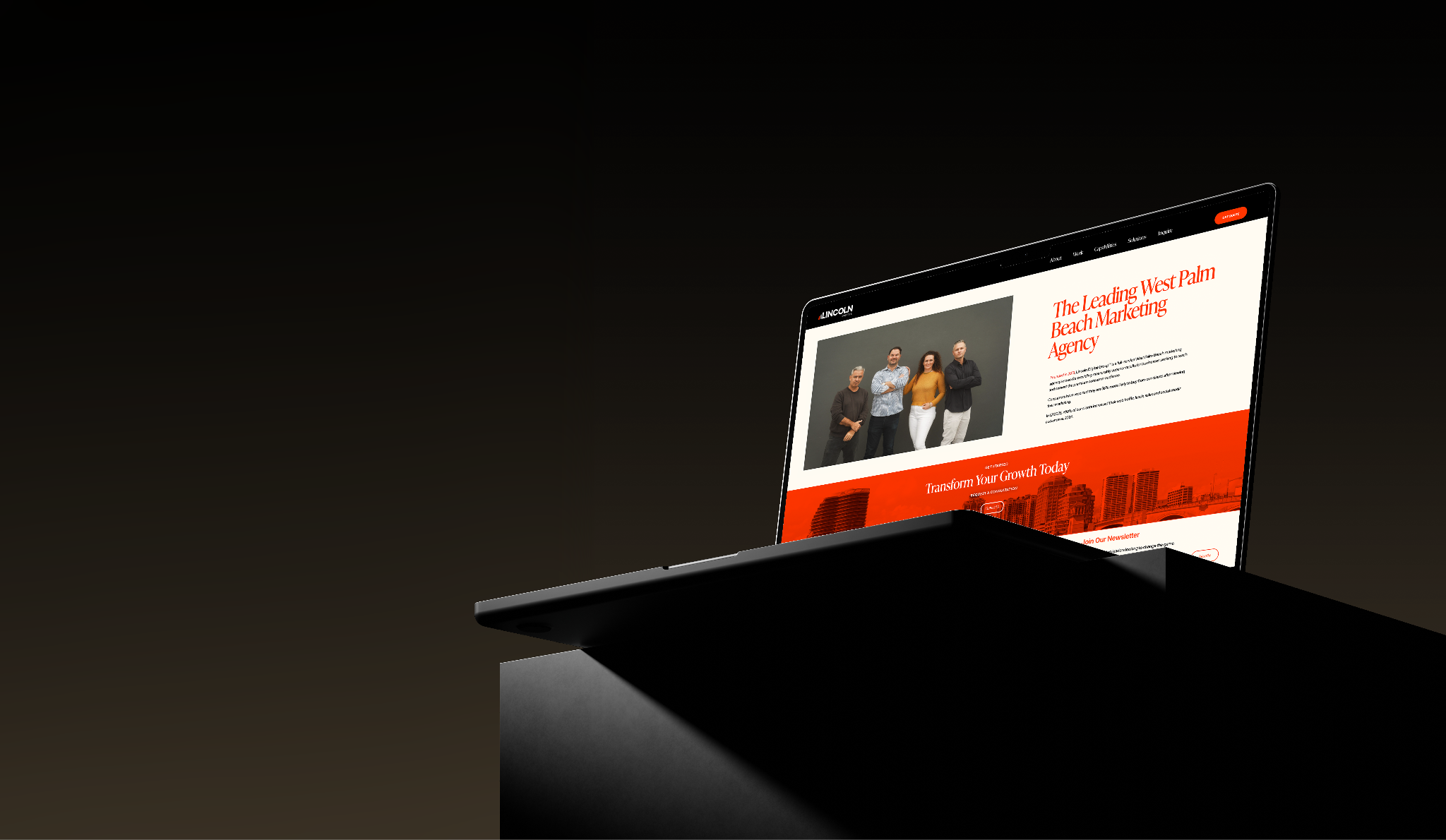
Lincoln Digital Group has worked with real estate and lifestyle brands across South Florida since 2013, combining strategic positioning, social-first creative, SEO, paid media, and conversion-focused web design into one connected system. That full service model matters in real estate specifically, because a listing’s story has to be consistent from the first search result to the final walkthrough. LDG’s client retention has exceeded 85% since 2022, reflecting a model built around long-term results rather than one-off campaigns.
There isn’t a single best channel — SEO drives long-term organic visibility for active searchers, while paid social and PPC generate faster, more targeted leads. The most effective approach combines both, supported by a website built to convert visitors into inquiries.
Paid campaigns can generate inquiries within days, but qualified leads that convert to closings often take weeks or months given real estate’s longer consideration cycle. SEO typically takes 3-6 months to build meaningful organic traffic.
Luxury real estate marketing relies more heavily on high-production creative, exclusivity in targeting, and storytelling around lifestyle rather than just property features. Standard residential marketing tends to prioritize volume and speed to lead.
It depends on internal bandwidth and expertise across SEO, paid media, creative, and web development. Many real estate brands find that an agency partner delivers more consistent results because it can run all channels together rather than relying on one internal generalist.
Real estate marketing rewards partners who understand both the local market and the long buyer journey. Lincoln Digital Group has built that expertise across South Florida’s residential and lifestyle brands. Visit lincolndigitalgroup.com/contact-us/ to talk through your property’s marketing strategy.