
South Florida PPC advertising for premium brands typically prioritizes tightly defined local targeting, seasonal budget flexibility, and creative that reflects an affluent audience’s expectations, rather than broad reach or discount-driven messaging. Premium hospitality, healthcare, retail, and real estate brands treat paid search and social as precision tools, not volume plays.
South Florida’s advertising market is distinct. Between seasonal population swings, a high concentration of affluent consumers, and intense competition among premium brands in hospitality, real estate, healthcare, and retail, the tactics that work in a generic national campaign often fall flat here. Understanding what successful local brands actually do — rather than generic PPC best practices — gives a clearer picture of what works in this specific market.
Premium brands start with audience precision over reach. Rather than targeting broad geographic areas across all of Florida, successful campaigns focus on specific neighborhoods, zip codes, or radius targeting around West Palm Beach, Palm Beach Gardens, Boca Raton, and Riviera Beach, matching where their actual customer base lives and spends. This keeps cost per click efficient and ensures ad spend reaches people with real purchase intent and proximity, rather than paying for impressions across an entire state.
Messaging matters just as much as targeting. Premium brands avoid discount-driven language in favor of positioning that reflects quality, exclusivity, and experience — because an audience shopping in this tier responds to brand credibility and relevance, not the lowest price signal.
Strong South Florida PPC advertising campaigns share a few structural traits:
Brands that skip these structural details often see decent click volume but poor conversion quality, because the traffic isn’t actually matched to their real customer profile.
The most common mistake is treating South Florida as a single homogenous market rather than a collection of distinct micro-markets with different income levels, competitive density, and seasonal patterns. A campaign built for Boca Raton audiences won’t necessarily perform the same in Riviera Beach, and budget allocated without that distinction often underperforms in at least one area.
Another frequent issue is failing to adjust for tourism-driven seasonality. A hospitality or retail brand running flat, unchanging budgets year-round will overspend in slow months and underspend during peak demand, missing the periods when conversion rates are naturally highest.
Cost per click in South Florida’s premium categories — hospitality, luxury retail, healthcare, and real estate — tends to run higher than the national average due to strong local competition and higher average transaction values. Brands that succeed here typically set budgets based on target cost per acquisition and expected lifetime value rather than an arbitrary monthly cap, allowing spend to flex upward during high-intent periods like snowbird season or major local events.
Working with a local team that understands these cost dynamics helps prevent the two most common budgeting mistakes: underspending during peak opportunity windows and overspending on broad targeting that doesn’t reach the right audience.
For premium brands, South Florida PPC advertising isn’t a variation on a national strategy — it is the strategy. Success depends on understanding the rhythms of specific communities, the expectations of an affluent local customer base, and the competitive intensity within a relatively small geographic footprint. Brands that treat this market with the specificity it requires consistently outperform those applying a one-size-fits-all national playbook.
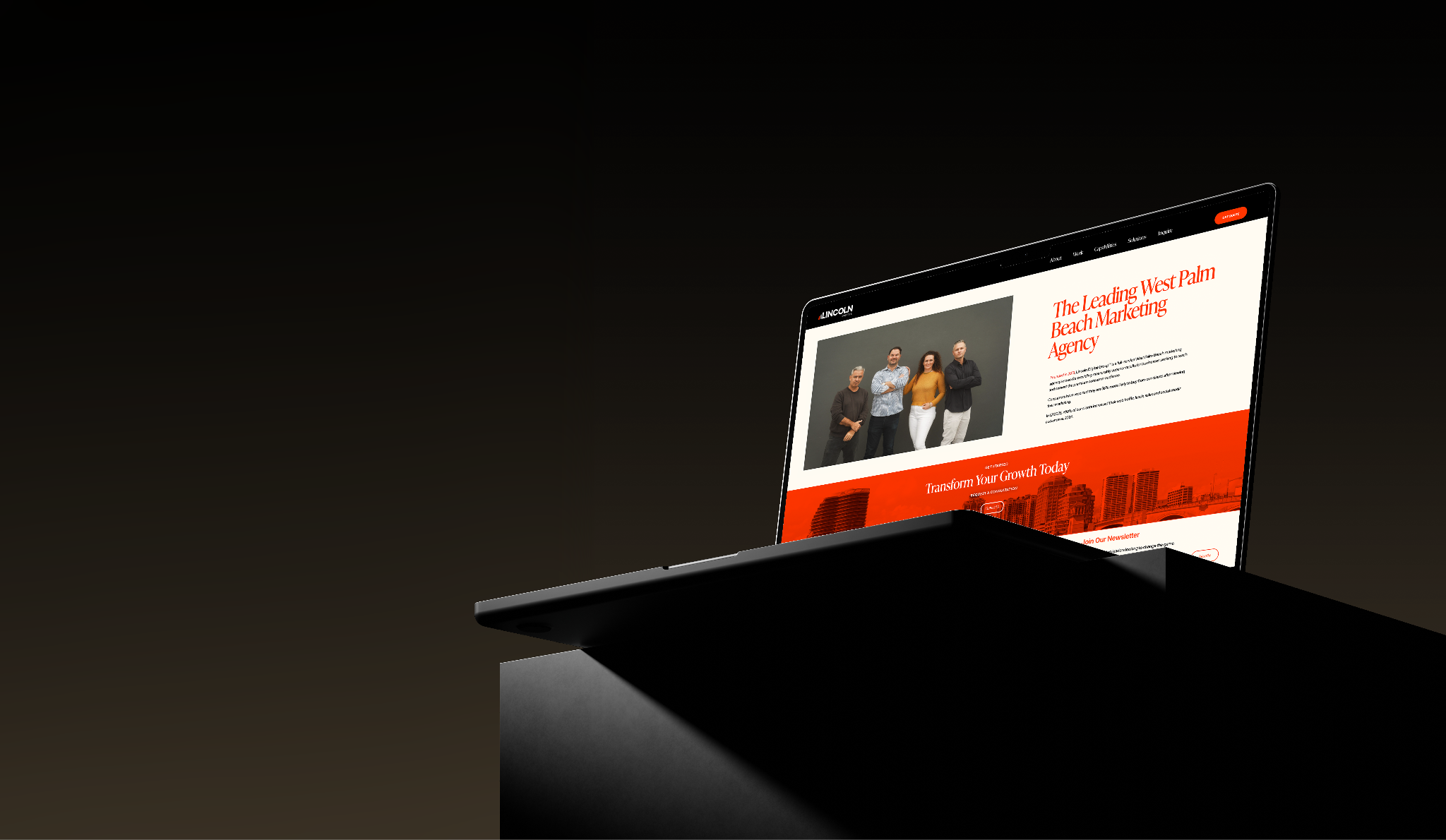
Lincoln Digital Group has built PPC strategy for premium South Florida brands since 2013, working with clients like Nora West Palm, Cove Club, and Bradley’s Saloon. Campaigns are built around hyper-local targeting, seasonal budget planning, and creative that reflects each brand’s premium positioning rather than generic advertising templates. Because the team operates from West Palm Beach, campaign decisions are informed by direct, current knowledge of local market conditions rather than remote analysis. That local precision is part of why client retention has stayed above 85% since 2022.
Higher competition among premium brands and elevated average transaction values in categories like hospitality, real estate, and healthcare tend to push cost per click above national averages. Precise targeting and strong creative help offset that cost by improving conversion rates.
Budgets should generally increase during peak season (roughly November through April) when demand and visitor volume are highest, and shift strategy or scale back during slower summer months. Flat, unchanging budgets typically waste spend during low-demand periods.
Specific cities and neighborhoods almost always outperform statewide targeting for premium local brands, since it keeps spend focused on the audience segment most likely to convert. Broad targeting increases costs without necessarily improving lead or customer quality.
Direct, current experience with the region’s seasonal patterns, local competitive landscape, and affluent audience behavior matters more than general PPC certifications. Agencies based in and familiar with the local market typically structure campaigns more effectively than remote, generalist providers.
If you want a PPC partner who understands South Florida’s premium market at a granular level, contact Lincoln Digital Group at lincolndigitalgroup.com/contact-us/ to talk through your goals.